
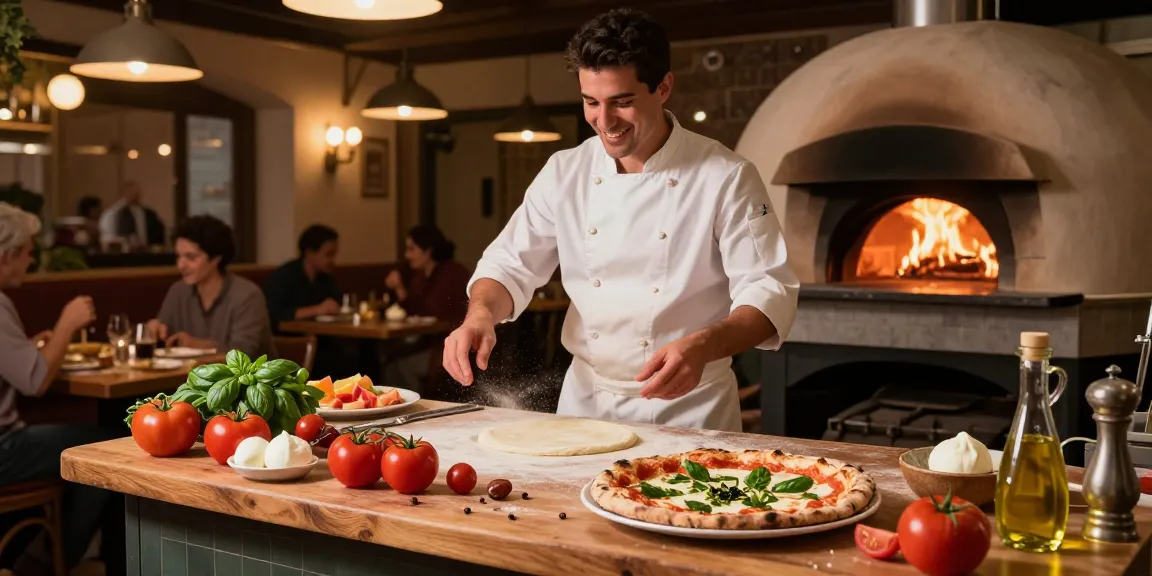
Understanding pg soft in Pizza Making
When it comes to mastering the art of pizza making, the term pg soft often comes up as a crucial element in the process. The concept of pg soft has been gaining popularity among pizzerias and home chefs alike, as it significantly impacts dough quality and, consequently, the overall pizza experience. At its core, pg soft refers to a specific texture and elasticity of pizza dough that allows for a perfect balance between chewiness and tenderness. This article covers everything you need to know about pg soft, from its significance in dough preparation to enhancing your pizza with authentic Italian ingredients. You’ll find practical tips, techniques, and insights that can elevate your pizza-making skills and impress your guests.
For those aspiring to replicate the magic of Italian pizzerias, understanding the nuances of pg soft is essential. Let’s dive deeper into how this concept shapes the pizza-making process.
What is pg soft and Its Importance in Dough Preparation?
The term pg soft refers to the ideal softness and elasticity of pizza dough, a critical factor that determines the quality of the final product. Achieving the right pg soft is essential for ensuring that the dough can rise properly, hold toppings securely, and deliver a satisfying bite. For many, the quest to understand and master pg soft begins with the ingredients used in the dough.
By using the right combination of flour, water, yeast, and salt, pizza makers can manipulate pg soft to create various styles of pizza, from Neapolitan to New York-style. The hydration level of the dough also plays a significant role; higher hydration often leads to softer, more pliable dough, which can be stretched easily without tearing.
The Role of Natural Ingredients in Achieving Optimal pg soft
Natural ingredients are fundamental in achieving the perfect pg soft. Using high-quality flour, preferably Tipo „00“ flour for Italian pizzas, can enhance the dough’s structure and elasticity. This flour type has a higher protein content, which helps develop gluten when kneaded, resulting in a more resilient dough.
Additionally, the use of fresh yeast instead of dried yeast can improve fermentation, contributing to a lighter texture with excellent flavor. Pairing these ingredients with natural water sources can further optimize pg soft, creating a dough that embodies the essence of traditional Italian pizza.
Step-by-Step Process of Using pg soft
Preparation: Key Ingredients for pg soft Dough
Before diving into the dough-making process, gather your ingredients. The following components are essential for creating pg soft dough:
- Flour: Choose high-quality Tipo „00“ flour.
- Water: Use filtered or mineral water for the best results.
- Yeast: Opt for fresh yeast when possible for optimal fermentation.
- Salt: Use sea salt to enhance flavor.
- Time: Be patient; allowing the dough to rest is key to developing the right texture.
Kneading Techniques for Perfectly Soft Dough
Kneading is a crucial step in developing the right pg soft texture. Begin by combining the flour, water, yeast, and salt in a mixing bowl. Use a dough hook or your hands to mix until all ingredients are incorporated. Then, knead the dough on a floured surface for about 10 minutes. The goal is to create a smooth, elastic dough that springs back when pressed.
Remember to use the windowpane test: stretch a small piece of dough between your fingers. If it forms a thin membrane without tearing, you’ve achieved the desired gluten development.
Fermentation and Rising: Timing for Ideal pg soft
Once kneading is complete, it’s time for fermentation. This process is vital for flavor development and achieving the right pg soft. Let the dough rise in a warm environment for at least 1-2 hours, or until it has doubled in size. For an even better flavor, consider a cold fermentation method where you let the dough rest in the refrigerator for 24-72 hours. This slow fermentation allows for more complex flavors to develop and contributes to the dough’s soft texture.
Enhancing Your Pizza with pg soft
Choosing the Right Toppings to Complement pg soft
Choosing the right toppings can significantly enhance the overall pizza experience. When working with pg soft dough, aim for toppings that complement its delicate texture. Fresh ingredients like mozzarella di bufala, sun-dried tomatoes, and basil work well, as they add to the authenticity of the dish without overwhelming the dough.
Moreover, consider the order in which you apply toppings. Start with a light base sauce, add cheese, and then distribute your toppings evenly. This approach ensures that the pg soft dough supports each ingredient without becoming soggy.
Creating Flavor Profiles Using Authentic Italian Ingredients
The beauty of Italian pizza lies in its simplicity. Utilizing authentic Italian ingredients—such as San Marzano tomatoes for your sauce and high-quality olive oil for drizzling—can create a harmonious flavor profile that enhances the pg soft dough. Pairing these elements with fresh herbs like oregano or arugula adds brightness and depth to every bite.
Best Practices for Baking with pg soft
Baking is where the magic happens. To achieve the best results with pg soft dough, preheat your oven to the highest setting—ideally around 250°C (482°F). If available, use a pizza stone to ensure even heat distribution, which helps the crust achieve that coveted crispiness while maintaining softness. Bake your pizza for about 8-10 minutes, keeping a watchful eye to avoid overcooking.
Real-World Applications of pg soft Techniques
Case Studies: Successful Pizzerias Embracing pg soft
Many pizzerias around the world have started implementing pg soft techniques with great success. For example, Pizzeria Madera in Vienna has embraced this philosophy, offering a menu that reflects the authenticity of Italian cuisine. Their commitment to using original ingredients ensures that every pizza resonates with the flavors of Italy.
By adopting these practices, they not only enhance customer satisfaction but also create a loyal customer base eager for authentic Italian pizza experiences.
Customer Feedback on pg soft Pizza Experiences
Customer feedback plays a crucial role in understanding how well pg soft techniques resonate with diners. Many patrons express that the first bite of a pizza made with pg soft dough is an unforgettable experience, often highlighting the perfect combination of chewiness and softness. This feedback drives restaurants to continue refining their methods and enhancing their offerings.
Adapting pg soft Methods for Different Pizza Styles
While pg soft is an excellent approach for traditional Neapolitan pizza, it can also be adapted for other styles. For example, a deeper, pan-style pizza may require a different hydration level, while Sicilian pizza could benefit from a slightly thicker crust. Understanding how to manipulate pg soft allows chefs to experiment with various pizza styles while maintaining the integrity of the dough.
Future Trends in Pizza Making with pg soft
Innovative Approaches to Dough Preparation Expected in 2026
As the culinary landscape evolves, so do the techniques for making pizza. Innovations in fermentation processes and ingredient sourcing are likely to change how pg soft is approached. Expect to see more pizzerias experimenting with ancient grains or alternative flours aimed at enhancing flavor while maintaining that coveted softness.
Emerging Technologies Supporting Authentic Pizza Crafting
Emerging technologies, such as smart ovens and precision fermentation techniques, are set to revolutionize the pizza-making process. These advancements can help maintain the ideal temperature and humidity levels essential for achieving pg soft, making it easier for both home cooks and professional chefs to replicate the results of high-end pizzerias.
Consumer Preferences Shaping the Future of pg soft
As consumer preferences shift toward healthier options, pizzerias may start exploring alternatives to traditional ingredients. The demand for gluten-free and plant-based options means that understanding how to achieve pg soft with alternative ingredients will become increasingly important. This focus on health-conscious dining aligns well with the continuing love for authentic Italian pizza.
What are the Benefits of Using pg soft for New Pizza Chefs?
For new pizza chefs, mastering pg soft can lead to a host of benefits. Not only does it lay the foundation for creating high-quality pizzas, but it also provides an opportunity to explore a range of styles and toppings. With a solid understanding of pg soft, chefs can confidently experiment while creating signature menu items that stand out in a competitive market.
How Can I Experiment with pg soft in Home Cooking?
Experimenting with pg soft at home is easier than it seems. Start by adjusting your dough recipe, incorporating different flours or hydration levels until you find the texture that suits your palate. Don’t hesitate to try different fermentation methods and observe how they affect the final outcome. Keeping a baking journal can help track your progress and refine your recipes.
Are there Health Benefits to Using pg soft in Pizza?
One health benefit associated with using pg soft is the potential for better digestion. A well-fermented dough typically contains less phytic acid, which can enhance nutrient absorption in the body. Moreover, using high-quality ingredients ensures that your pizza is packed with nutrients, making it a more wholesome meal option.
What Equipment Do I Need for Perfect pg soft Pizza?
To create the ideal pg soft pizza at home, consider investing in a few key pieces of equipment:
- Mixing Bowl: A large bowl for combining ingredients.
- Dough Scraper: Useful for handling and dividing dough.
- Pizza Stone or Steel: For achieving that perfect crispy crust.
- Pizza Peel: Essential for transferring pizza in and out of the oven.
- Thermometer: To monitor dough temperature for optimal fermentation.
Can I Use pg soft for Gluten-Free Pizza Options?
Yes, it is possible to achieve a version of pg soft with gluten-free dough. However, it may require experimenting with gluten-free flour blends and additional binding agents, such as xanthan gum or psyllium husk, to mimic the elasticity that gluten provides. While the texture may vary, with patience and practice, you can create delicious gluten-free pizzas that retain the essence of pg soft.