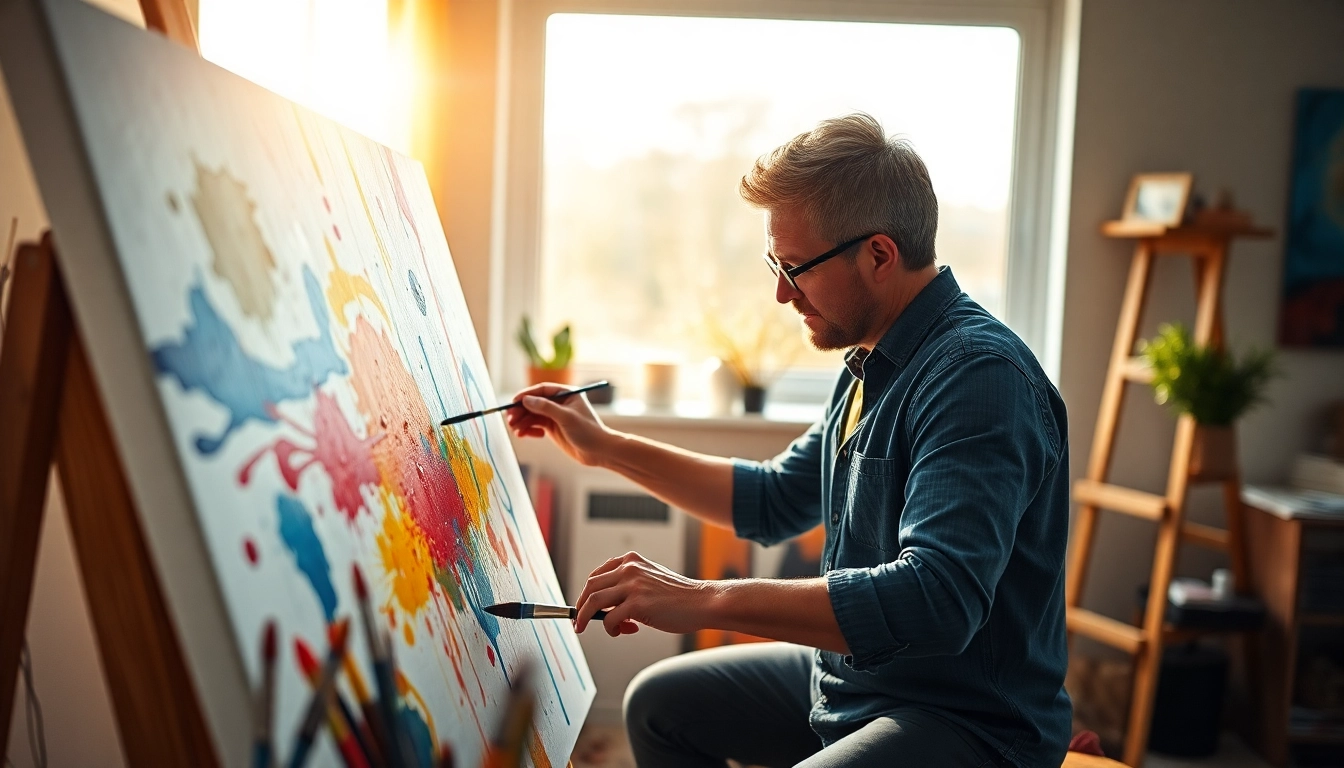
Introduction to Painting Techniques
Painting is much more than a mere pastime; it’s an expressive medium that allows individuals to convey emotions, ideas, and visions through color, form, and texture. Whether you are a beginner with a desire to dabble in creativity or an experienced artist looking to refine your skills, understanding various techniques is crucial. This article delves into the fundamentals of painting, exploring topics such as painting styles, color theory, mediums, and the essential skills every painter should master.
Understanding Color Theory
Color theory forms the backbone of effective painting. It involves understanding how colors interact, complement each other, and affect the viewer's emotions. The primary colors—red, blue, and yellow—are the foundation from which all other colors are mixed. Key concepts within color theory include:
- Color Wheel: A visual representation of colors arranged in a circle, showcasing relationships between primary, secondary, and tertiary colors.
- Complementary Colors: Colors opposite each other on the color wheel that create high contrast and vibrant visuals when paired.
- Analogous Colors: Colors next to each other on the color wheel that provide harmony and subtlety in compositions.
- Warm and Cool Colors: Warm colors (reds, oranges, yellows) evoke warmth and energy, while cool colors (blues, greens, purples) convey calmness and serenity.
Understanding how to utilize these concepts will allow you to create more dynamic and evocative artwork, enhancing your ability to express different moods and themes.
Exploring Mediums: Oil, Acrylic, and Watercolor
The choice of medium significantly influences a painter's techniques and results. Each medium offers unique properties that cater to different styles and effects.
- Oil Paint: Known for its rich colors and blendability, oil paint dries slowly, allowing artists to work on details over extended periods. This medium is ideal for traditional realism.
- Acrylic Paint: Fast-drying and versatile, acrylics can mimic the look of oil or watercolors depending on dilution. They are perfect for experimentation and mixed media.
- Watercolor: Characterized by its transparency, watercolor paint allows for delicate washes and vibrant layering. It’s a favored medium for landscape and abstract artists.
Exploring the nuances of each medium can lead to the discovery of your preferred style and help you express your creativity effectively.
Basic Brushwork Skills for Beginners
Brushwork is an essential skill in painting. Understanding various brush strokes can drastically affect the texture and appearance of your artwork. Some fundamental brush techniques include:
- Dry Brush: Involves using a relatively dry brush with minimal paint for a scratchy effect.
- Washing: A method of applying a thin layer of color to create transparency, often used in watercolor.
- Glazing: Applying thin, transparent layers of paint to build depth and luminosity.
- Scumbling: A technique to create a rough, uneven texture by applying light, dry strokes over a dried layer of paint.
Mastering these techniques will provide a strong foundation for more advanced painting skills in the future.
Home Painting Setup
Creating an inviting space for painting can enhance your creativity and focus. Setting up an efficient workspace is essential for any aspiring artist, as it encourages regular practice and experimentation.
Choosing the Right Space for Creativity
Your painting environment plays a crucial role in your artistic process. Look for a quiet space with good lighting—natural light is ideal. Ensure you have adequate ventilation, especially when working with certain mediums. Ideal spaces might include:
- Dedicated Studio: A separate room allows for a clutter-free environment tailored to your needs.
- Corner of a Room: If space is limited, a cozy corner with good lighting can suffice.
- Outdoor Setup: Painting outdoors can inspire creativity and offer natural beauty as a backdrop.
Consider your comfort as well, with options for tables, stools, and easels that ensure you can work for extended periods comfortably.
Essential Tools for Every Painter
Having the right tools is vital for any painter. Here’s a list of essential supplies to kick-start your painting journey:
- Brushes: Various shapes and sizes (flat, round, filbert) for different techniques.
- Paints: Choose between oils, acrylics, or watercolors based on your preference.
- Canvases/Paper: The surface you paint on can vary from canvas boards to watercolor paper.
- Palette: For mixing colors; this can be a traditional wooden palette or a disposable paper palette.
- Easel: To hold your canvas at eye level, providing better control while painting.
Investing in quality materials can elevate your artwork and make the painting experience more enjoyable.
Organizing Your Painting Supplies Effectively
An organized workspace fosters creativity and efficiency. Here are some tips for managing your supplies:
- Storage Solutions: Use containers, drawers, or carts to keep paint tubes, brushes, and tools organized.
- Labeling: Clearly label containers to save time searching for specific items.
- Systematic Arrangement: Keep like items together—group paints by color or medium to streamline your workflow.
By creating an organized space, you enhance your ability to focus on your artwork without unnecessary distractions.
Bringing Ideas to Life: Developing a Painting
Transforming an idea into a finished painting requires thoughtful planning and execution. Here’s how to navigate this creative journey.
How to Create a Mood Board for Inspiration
A mood board is an essential tool that helps artists visualize their concepts and set a tone for their artwork. Include:
- Images: Use photographs, magazine clippings, or prints that resonate with your artistic vision.
- Color Swatches: Gather colors that inspire you to help direct your palette choices.
- Textures and Patterns: Include examples of textures that might inform your brushwork or techniques.
Creating a mood board can significantly enhance the clarity of your vision and keep you motivated throughout the painting process.
Sketching Your Concepts: The Planning Process
Before diving into paint, sketching your concepts can save time and effort. Sketching allows:
- Composition Planning: Determine placement of subjects and the overall layout of your painting.
- Proportionality Control: Helps in maintaining accurate proportions before applying paint.
- Surface Exploration: Experiment with various ideas without any fear of being committed to color.
Effective sketching paves the way for more efficient and focused painting sessions.
Embracing Abstract vs. Realism in Painting
Artistic expression can take many forms, including realism and abstraction. Each offers unique benefits and challenges:
- Realism: Focuses on accurate representations of subjects, often requiring attention to detail and familiarity with techniques that enhance lifelike appearances.
- Abstract: Offers freedom by focusing on colors, forms, and emotions rather than realism, encouraging creative exploration.
Explore both styles to discover which resonates more with your artistic voice, or try experimenting with a mix of both approaches.
Current Painting Trends in 2023
The world of painting continuously evolves, with new trends emerging each year. Understanding current trends can keep your work fresh and relatable. Here are some trends that have gained traction in 2023:
Eco-Friendly Painting Techniques
As sustainability becomes increasingly prioritized, eco-friendly painting techniques have emerged. Artists are opting for:
- Natural Pigments: Utilizing plant-based or earth-derived pigments to reduce harm to the environment.
- Recycled Materials: Using repurposed canvases or brushes to further minimize waste.
- Non-Toxic Mediums: Choosing water-based or organic paints that have a reduced environmental impact.
Embracing eco-friendly practices not only benefits the planet but can also inspire other artists and audiences.
Popular Themes and Styles in Modern Art
Today's painting often reflects contemporary issues and collective emotions. Some relevant themes include:
- Social Commentary: Using art as a platform to discuss societal issues, such as equality, climate change, and mental health.
- Identity Exploration: Artists use painting to examine personal and cultural identity, often challenging traditional norms.
- Art Therapy: The rising interest in art as a therapeutic tool highlights painting's importance in personal healing.
Staying attuned to these themes can provide relevant context for your own work, connecting deeper with audiences.
Virtual Classes and Opportunities for Artists
The digital landscape has expanded opportunities for artists through virtual classes and communities. Advantages include:
- Accessibility: Artists can learn from instructors worldwide without geographic limitations.
- Diverse Learning Styles: Video tutorials, live workshops, and interactive sessions cater to various learning preferences.
- Network Building: Online communities offer support, critiques, and collaborative opportunities.
Engaging with these platforms can accelerate your learning curve as you connect with fellow artists and professionals.
FAQs about Painting
What are the basic supplies needed for painting?
Basic supplies include brushes, canvases, paints (acrylic or oil), a palette, and water containers.
How can I improve my painting skills quickly?
Practice regularly, take online courses, and learn from experienced artists through workshops.
Is there a specific style I should start with as a beginner?
Starting with acrylics in a style that interests you can help you develop your skills comfortably.
What techniques enhance realism in painting?
Focus on color blending, light source shadows, and precise detailing for a realistic effect.
How do I select a subject for my painting?
Choose subjects that inspire you, such as landscapes, portraits, or your personal experiences.
In conclusion, mastering the art of painting is a journey filled with exploration, expression, and continual learning. By understanding essential techniques, organizing your workspace, developing your ideas, and staying attuned to current trends, you can cultivate your unique artistic voice. Embrace your creativity—each stroke is a step toward your artistic mastery.