
Understanding Sports Broadcasting Basics
What is Sports Broadcasting?
Sports broadcasting is the distribution of sports content through various media channels to a wide audience. At its core, it involves showcasing live sports events, highlights, game analyses, and interviews. With its roots in radio, the evolution of technology has expanded sports broadcasting into television and, more recently, digital platforms, making it accessible globally. As audiences increasingly seek real-time updates and interactive experiences, understanding the mechanics of Sports Broadcasting becomes essential for both viewers and those working in the industry.
Major Sports Broadcasting Platforms
Sports broadcasting operates via various platforms, each presenting unique opportunities for engagement and monetization. The key platforms include:
- Television Networks: Traditional broadcasts dominate the sports landscape, with major networks offering live telecasts of events like the Super Bowl, FIFA World Cup, and the Olympics.
- Online Streaming Services: Platforms like Amazon Prime Video, Hulu, and dedicated sports streaming services provide on-demand and live content, appealing particularly to younger audiences.
- Radio Stations: While less prominent today, sports radio continues to deliver game commentaries, analysis, and talk shows to niche audiences.
- Social Media: Platforms like Twitter, Facebook, and YouTube are now critical for real-time sports updates, fan engagement, and behind-the-scenes content.
History and Evolution
The history of sports broadcasting dates back to the early 20th century with radio broadcasts of baseball games. The first televised sports event occurred in the 1930s, showcasing the rapid technological evolution that followed. By the 1960s, sports broadcasting started to become a major business initiative, with networks vying for exclusive rights to premier sporting events. The 1990s and 2000s marked the rise of cable networks, while the internet revolution and mobile technology in the 21st century transformed delivery methods, enabling audiences to access sports content anytime, anywhere.
Trends Influencing Sports Broadcasting
Technology Advancements
Advancements in technology have significantly influenced the sports broadcasting landscape. High-definition video, 4K resolution, and the introduction of augmented reality (AR) and virtual reality (VR) have elevated viewer experiences to unprecedented levels. Innovations in mobile technology allow fans to view games on-the-go, and real-time data analytics provide richer storytelling through enhanced graphics and statistics.
Viewer Engagement Strategies
In a competitive market, broadcasters employ innovative viewer engagement strategies. Interactive elements such as live polling, social media integration, and audience participation during broadcasts cater to audience preferences for immersive experiences. Furthermore, second-screen experiences, where fans use mobile devices to access supplemental content while watching, are becoming increasingly popular.
The Rise of Streaming Services
The shift from traditional cable to streaming services has fundamentally altered how sports content is consumed. Major leagues and organizations are launching their own streaming platforms to cater directly to fans, circumventing traditional broadcasting models and creating personalized viewing experiences. This paradigm shift emphasizes flexibility and demands that sports broadcasters adapt to the changing habits of their audiences.
Techniques for Successful Sports Broadcasting
Studio Setup and Equipment
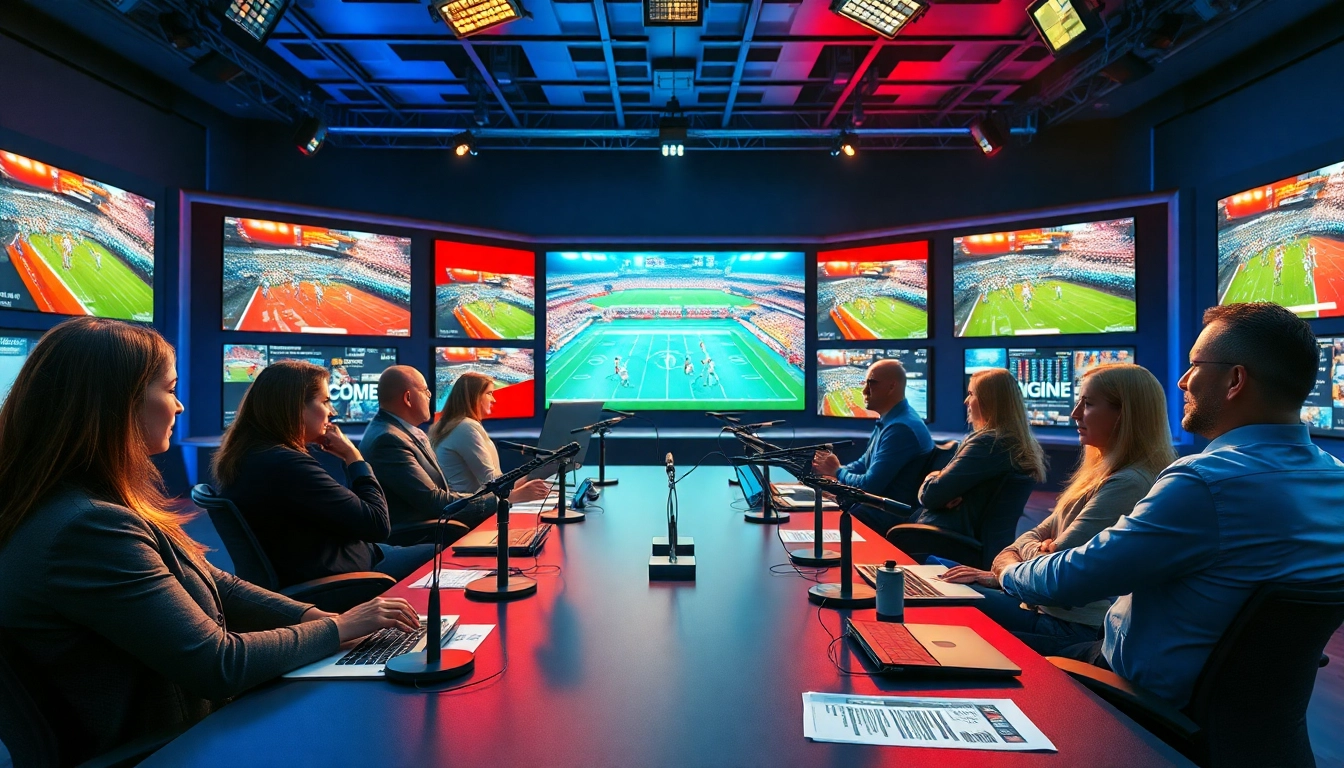
Successful sports broadcasting requires a well-designed studio setup, which includes the appropriate use of cameras, lighting, sound systems, and graphics technology. Quality cameras and lenses capture crisp images, while professional lighting enhances visibility and engagement during broadcasts. A reliable sound system ensures clear commentary and audience interaction, making all aspects work seamlessly together.
Presentation Skills for Broadcasters
Presentation skills are pivotal for broadcasters to effectively deliver exciting content. A strong on-screen presence, effective communication, and the ability to convey the rhythm of the game are essential qualities. Successful broadcasters emphasize storytelling and leverage their passion for sports to connect with audiences, enriching the overall viewing experience.
Using Data and Analytics Effectively
The integration of data and analytics into sports broadcasting has become crucial for storytelling. Broadcasters can provide audience insights into team dynamics and player performance through advanced metrics. Utilizing analytics allows for deeper analyses during pre-game and post-game discussions, helping viewers to better understand the sport beyond just scores and highlights.
Challenges in Sports Broadcasting
Content Licensing and Rights Management
Content licensing presents one of the greatest challenges in sports broadcasting. Acquiring rights to broadcast events can be incredibly costly and competitive. Broadcasters must navigate complex negotiations and contracts while ensuring they adhere to legal frameworks and regulations in different regions where the content is aired.
Dealing with Live Event Crises
Live event crises can arise unexpectedly, from technical failures to on-field incidents that demand immediate coverage changes. Broadcasters must be equipped to respond swiftly, employing contingency plans and backup systems to maintain professionalism. Training staff to manage crises effectively is essential for upholding the integrity and reliability of sports broadcasting.
Maintaining Audience Engagement
Sustaining audience engagement is a continuous challenge faced by sports broadcasters. With numerous channels available, it is vital for broadcasters to innovate and create compelling narratives that resonate with viewers. Regular feedback initiatives, audience segmentation, and tailored content can help keep audiences invested and returning for more.
Measuring Success in Sports Broadcasting
Key Performance Indicators
Determining the success of sports broadcasting is achieved through specific Key Performance Indicators (KPIs). Metrics such as viewership numbers, audience retention rates, social media engagements, and subscription numbers for streaming platforms help assess reach and influence. Analyzing these KPIs enables broadcasters to identify trends and areas for improvement.
Viewer Feedback and Adaptation
Viewer feedback is vital in refining sports broadcasting strategies. Broadcasters often solicit input through surveys and social media engagement, allowing them to adapt content and presentation styles to meet audience expectations. Implementing feedback loops ensures that broadcasters remain relevant and can dynamically adjust to shifts in viewer preferences.
Future Predictions for Growth
The future of sports broadcasting holds significant potential for growth, driven by ongoing technological advancements and changing consumer behaviors. Automation and AI will likely play a more pronounced role in content generation, while data-driven strategies will enhance personalization. As global audiences continue to diversify, sports broadcasting will need to evolve, offering tailored experiences that reflect the interests and preferences of viewers.
Frequently Asked Questions
What is the main focus of sports broadcasting?
The main focus of sports broadcasting is to deliver live sports events, highlights, and analyses to audiences across various platforms, enhancing viewer engagement and accessibility.
How has technology changed sports broadcasting?
Technology has transformed sports broadcasting through innovations like HD and 4K video, AR/VR experiences, streaming services, and real-time data analytics, enriching viewer experiences.
What are key performance indicators in sports broadcasting?
Key performance indicators include viewership numbers, audience retention, social media engagement, and subscription statistics, which help evaluate success and audience engagement.
How do broadcasters deal with crises during live events?
Broadcasters manage crises by employing contingency plans, training staff for emergencies, and having reliable backup systems to maintain professionalism during unforeseen issues.
What trends are influencing sports broadcasting in the future?
Future trends include the rise of automation and AI, increased personalization in content delivery, and continued growth in streaming services as consumption habits evolve.