
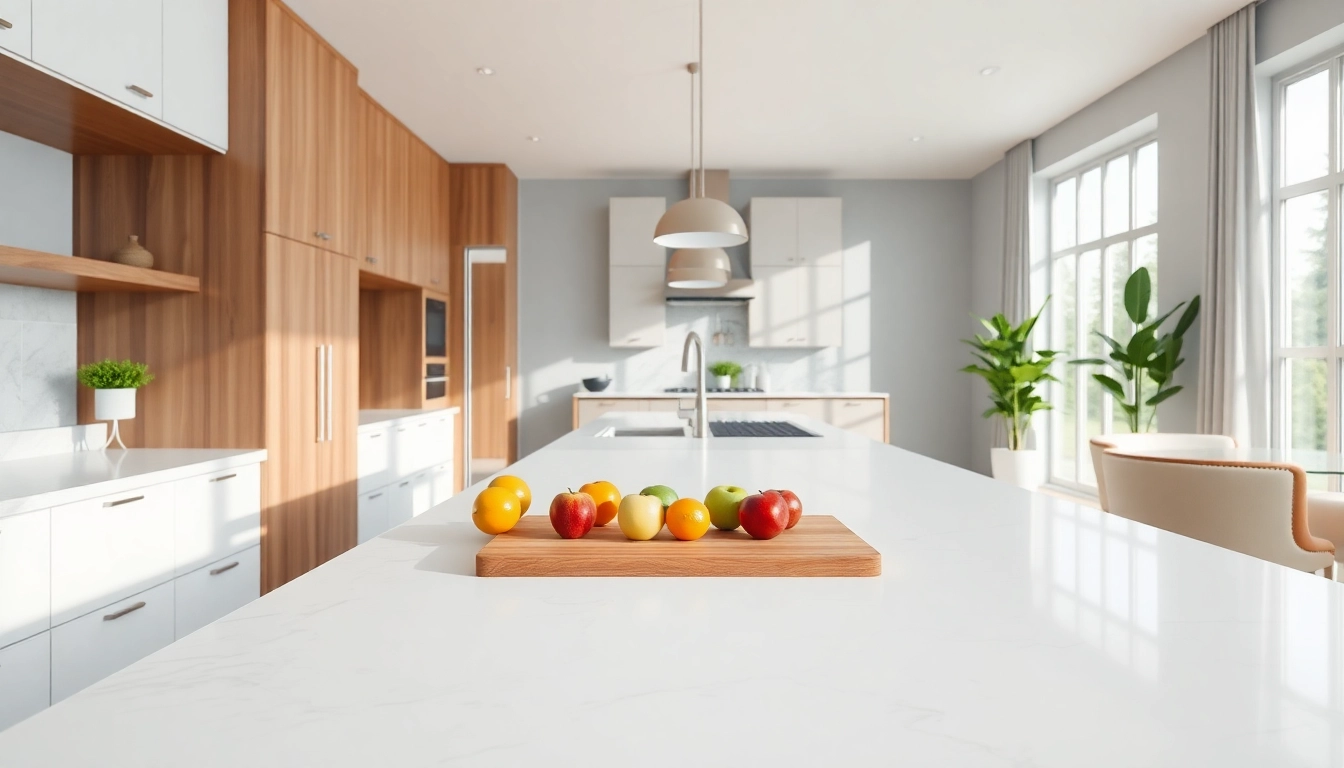
Understanding Kitchen Remodeling: Key Concepts
Defining Kitchen Remodeling
Kitchen remodeling is the process of renovating, upgrading, or reconfiguring the kitchen space within a home to enhance its function, aesthetics, and overall value. This may encompass a wide range of alterations, from simple cosmetic changes, such as painting cabinets or updating hardware, to comprehensive renovations involving structural modifications, layout changes, or full replacements of fixtures and appliances. Successful kitchen remodeling not only improves the kitchen’s appearance but can also optimize workflow and increase energy efficiency.
Benefits of Kitchen Remodeling
Investing in kitchen remodeling offers numerous advantages that go beyond aesthetic appeal. One of the primary benefits is improved functionality, as a well-planned kitchen enhances workflow, making cooking and cleaning more efficient. Another significant advantage is increased home value. A modern and stylish kitchen can be a major selling point for prospective buyers, often resulting in a sizable return on investment. Furthermore, kitchen remodeling allows homeowners to customize their space, tailoring it to their specific needs and lifestyle while integrating energy-efficient appliances and fixtures, thus reducing overall utility costs.
Common Trends in Kitchen Remodeling
Staying current with kitchen trends can help homeowners create a space that feels modern and inviting. Popular trends include open-concept designs that promote flow between the kitchen and living areas, as well as eco-friendly materials that appeal to sustainability-conscious consumers. Minimalistic aesthetics featuring clean lines and monolithic color schemes are also gaining traction. Moreover, smart technology integration is becoming increasingly common, with appliances that can be monitored and controlled via smartphone apps appealing to tech-savvy homeowners. Finally, traditional designs like farmhouse style remain popular, offering a timeless charm that many individuals still crave.
Planning Your Kitchen Remodeling Project
Setting a Budget for Kitchen Remodeling
Before diving into a kitchen remodeling project, it’s crucial to establish a clear budget. Start by evaluating your current financial situation and determining how much you can realistically allocate to the remodel. The costs of kitchen remodeling can vary widely depending on the scope of the project; typical ranges can be between $12,000 and $35,000. Homeowners should consider breaking down the budget into various categories—labor, materials, decorations, and unexpected expenses. Keeping contingency funds for hidden problems that may arise during the remodeling process will also be beneficial.
Choosing the Right Layout
The kitchen layout can significantly impact functionality and flow. Popular layouts include the L-shape, U-shape, galley, and island designs. When choosing a layout, homeowners should consider how they use their kitchens, the number of people who typically gather in the space, and how they want to interact with family and guests while cooking. An effective layout not only maximizes space but also accommodates traffic patterns and allows for easy movement between various work zones, such as cooking, cleaning, and prep areas.
Selecting Materials and Finishes
Materials and finishes play a pivotal role in determining the kitchen’s overall aesthetic and functionality. When selecting countertops, cabinetry, and flooring, consider durability, maintenance needs, and aesthetics. For instance, granite and quartz are popular choices for countertops due to their durability and sleek look, while hardwood or tile may be preferred for flooring due to their classic appeal. Additionally, selecting hardware finishes, such as brushed nickel or matte black, can significantly influence the kitchen’s style. As much as the material’s appearance matters, its longevity and ease of maintenance should also be considered during the selection process.
Execution: Remodeling Your Kitchen
Hiring Contractors: What to Consider
If you decide to hire a contractor for your kitchen remodeling project, thorough research is essential. Start by asking for recommendations from friends or checking online reviews. Interview potential contractors, asking for examples of previous work and references. Look for licensed professionals who carry insurance and can provide warranties on their work. Communication is key; choose a contractor with whom you feel comfortable discussing your vision and concerns. Ensure they understand your timeline and budget constraints, and get a detailed quote outlining all aspects of the project.
DIY vs. Professional Help in Kitchen Remodeling
The decision to tackle kitchen remodeling as a DIY project or hire professionals greatly depends on the scope of the work and personal skill levels. Many homeowners choose DIY approaches for cosmetic updates, such as painting or installing new fixtures, allowing for a creative and cost-effective renovation. However, complex tasks involving plumbing, electrical work, or load-bearing walls should typically be handled by professionals to ensure safety and compliance with local codes. Striking a balance between DIY efforts and professional guidance can lead to successful outcomes and personal satisfaction.
Timeline for Kitchen Remodeling Projects
Establishing a realistic timeline for your kitchen remodeling project is vital for managing expectations and avoiding frustration. A typical kitchen remodel can take anywhere from a few weeks to several months, influenced by the project’s scale and the availability of materials. Initial planning stages can take several weeks, with design finalization, acquiring permits, and ordering materials taking additional time. On average, a small remodel might take 6-8 weeks, while extensive renovations could stretch to 12-16 weeks or longer. Clear communication with your contractor can help keep the project on track and alleviate potential scheduling conflicts.
Finishing Touches in Kitchen Remodeling
Incorporating Decor and Accessories
Once the major renovations are complete, it’s time to consider decor and accessories that can enhance the new kitchen space. Choosing items like artwork, decorative bowls, or stylish canisters can infuse personality into the kitchen and reflect personal style. Consider functional accessories that can double as decorative elements, such as chic cutting boards or colorful kitchen towels. Additionally, planning for aesthetic cohesion, such as color matching or thematic consistency, will create a harmonious and inviting atmosphere.
Choosing the Right Appliances
Selection of appliances is a critical part of kitchen remodeling that ensures both efficiency and style. Homeowners should carefully consider the types of appliances needed based on their cooking habits and lifestyle, opting for energy-efficient models to promote sustainability. Style and design are also significant; appliances should complement the kitchen’s aesthetic as much as their functionality. Brands offer a wide variety of looks—from modern stainless steel to classic retro designs—allowing kitchen owners to blend these appliances seamlessly into their overall decor.
Lighting Solutions for Your Kitchen
Lighting plays a crucial role in both functionality and ambiance in the kitchen. Layering lighting options, including ambient, task, and accent lighting, creates a well-lit environment for cooking and entertaining. Options can range from recessed ceiling fixtures providing overall illumination to pendant lights above countertops for focused task lighting. Under-cabinet lighting can enhance visibility for prep work while adding a warm glow during gatherings. Homeowners must also consider natural light’s role in the kitchen and how window placements can impact the overall lighting strategy.
Maintaining Your Newly Remodeled Kitchen
Best Practices for Kitchen Maintenance
Once your kitchen remodeling is complete, maintaining the space is essential to preserve its beauty and functionality. Establishing a regular cleaning schedule helps prevent grime buildup, especially in high-use areas. Use appropriate cleaners for appliances and surfaces to avoid damage. Regularly inspect fixtures and plumbing for leaks or wear to catch potential issues early. Additionally, consider minor maintenance tasks like resealing countertops or refinishing cabinets to prolong their life and keep the kitchen looking fresh.
Regular Upgrades and Updates
Kitchen trends and technologies continue to evolve, and making regular updates keeps your kitchen modern and functional. Consider enhancements such as upgrading hardware, swapping out fixtures for newer designs, or rearranging decor to freshen the space without undertaking a full remodel. Keeping up with appliance advancements offers efficiency and performance benefits, and minor renovations, such as replacing countertops or cabinet faces, can have a significant impact without the major investment of a full remodel. Staying proactive about updates helps sustain both aesthetics and home value.
Sustainability in Kitchen Remodeling
With growing awareness of environmental impact, incorporating sustainability into kitchen remodeling has become increasingly popular. Homeowners can consider eco-friendly materials like reclaimed wood or sustainable stone. Energy-efficient appliances that meet Energy Star ratings reduce energy consumption while saving money on utility bills. Water-saving fixtures and solar-powered lighting options further enhance sustainability in the kitchen. Additionally, incorporating recycling stations for waste can promote responsible consumption and significantly reduce environmental footprints.
FAQs About Kitchen Remodeling
What is the average cost of kitchen remodeling?
The average cost varies widely, ranging from $12,000 to $35,000, depending on size and quality of materials.
How long does kitchen remodeling take?
Typically, kitchen remodeling can take anywhere from a few weeks to several months, depending on the scope of work.
Can I remodel my kitchen myself?
Yes, many homeowners take on DIY projects, but hiring professionals is advisable for complex tasks like plumbing and electrical work.
What are popular styles for kitchen remodeling?
Popular styles include modern, farmhouse, traditional, and contemporary, each offering unique design elements and aesthetics.
How can I stay within budget during kitchen remodeling?
Establish a clear budget, prioritize essential upgrades, and consider cost-effective alternatives for materials and appliances.